
UNESCO Gives a Positive Assessment of Kaunas’ Progress in Protecting Its Modernist Heritage and Increasing Its Visibility

Paskelbta: 2026-07-27 (Monday)
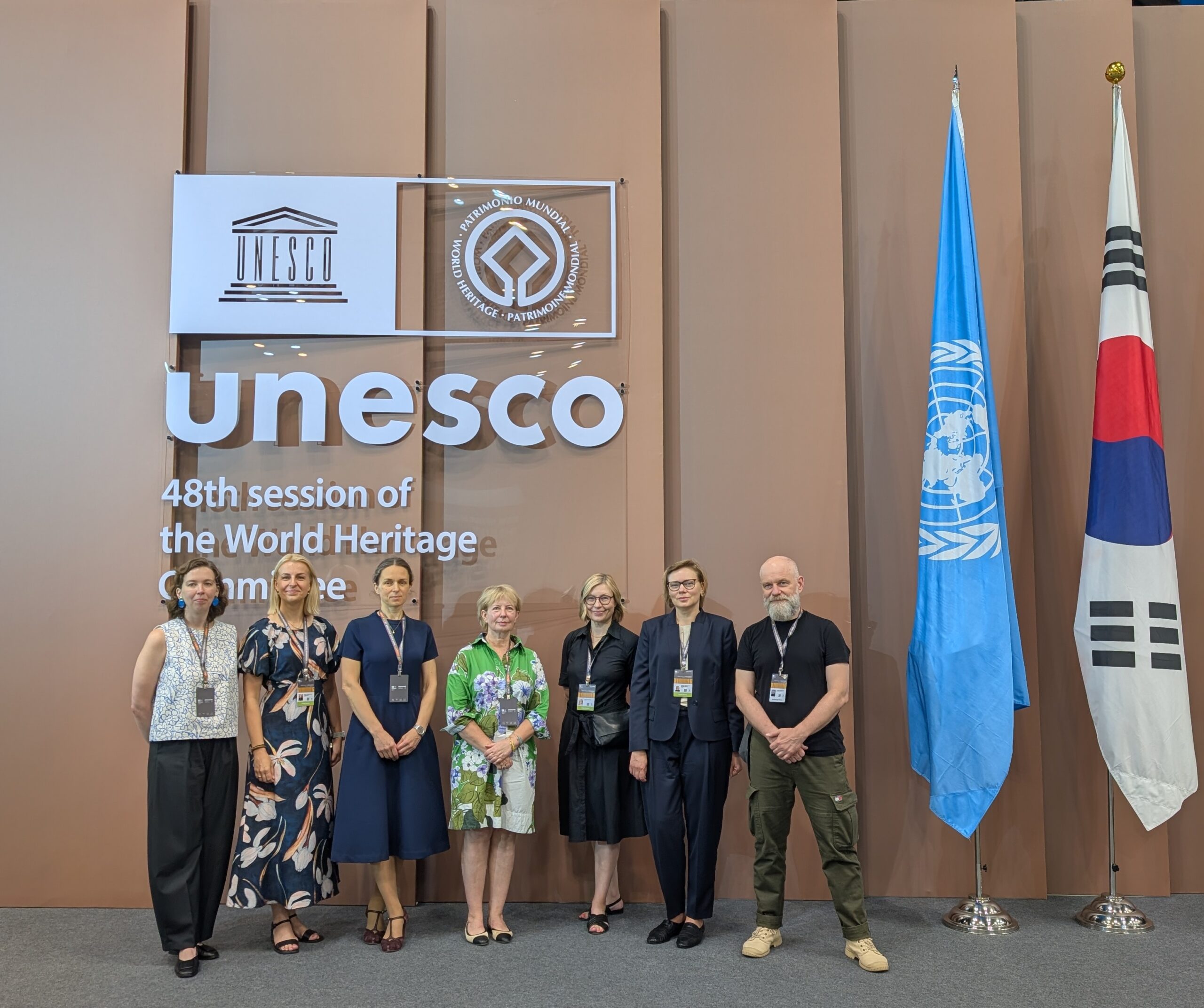
The 48th session of the UNESCO World Heritage Committee is taking place in Busan, South Korea, from 19 to 29 July. The session is considering the inscription of new properties on the World Heritage List, reviewing the state of conservation of existing World Heritage sites and assessing the implementation of previous Committee decisions. Modernist Kaunas, which was inscribed on the UNESCO World Heritage List in 2023, is also among the items under discussion.
“Three years ago, in 2023, the UNESCO World Heritage Committee recognised the Outstanding Universal Value of Modernist Kaunas — UNESCO’s official term for cultural or natural significance of exceptional importance to humanity — and inscribed it on the UNESCO World Heritage List. Although several countries commented on aspects of the nomination that could be improved, this did not cast doubt on Kaunas’ suitability for UNESCO World Heritage status. This year, we returned to the World Heritage Committee session to present the progress made, including recommendations already implemented and other work currently under way,” said Saulius Rimas, Head of the Urban Development and Heritage Protection Division.
This year’s 48th session of the UNESCO World Heritage Committee is being held in Busan, South Korea’s second-largest city. Around 3,000 delegates from more than 150 countries are attending the event. The Committee is considering 33 new nominations for inscription on the World Heritage List and reviewing the state of conservation of 147 World Heritage properties, including Kaunas.
When Modernist Kaunas was inscribed on the UNESCO World Heritage List in 2023, the Committee recognised its Outstanding Universal Value and issued recommendations aimed at strengthening the further protection of the property.
The recommendations called for a clearer explanation of Kaunas’ significance in the context of the modernisation of Central and Eastern Europe, the refinement of the World Heritage property boundaries, a stronger management system and the preparation of an integrated protection and monitoring plan. The Committee also recommended formalising the Heritage Impact Assessment (HIA) process, preparing a comprehensive inventory of interwar buildings, improving awareness among private property owners and establishing a permanent mechanism for public participation in the management of the site.
In response to these recommendations, Kaunas has steadily strengthened measures for the protection and management of its modernist heritage. At national level, a revised Statement of Outstanding Universal Value was approved, providing a more precise explanation of Kaunas’ exceptional importance in the context of European modernisation and highlighting the city’s distinctive character. The document was also approved by the UNESCO World Heritage Committee in 2024.
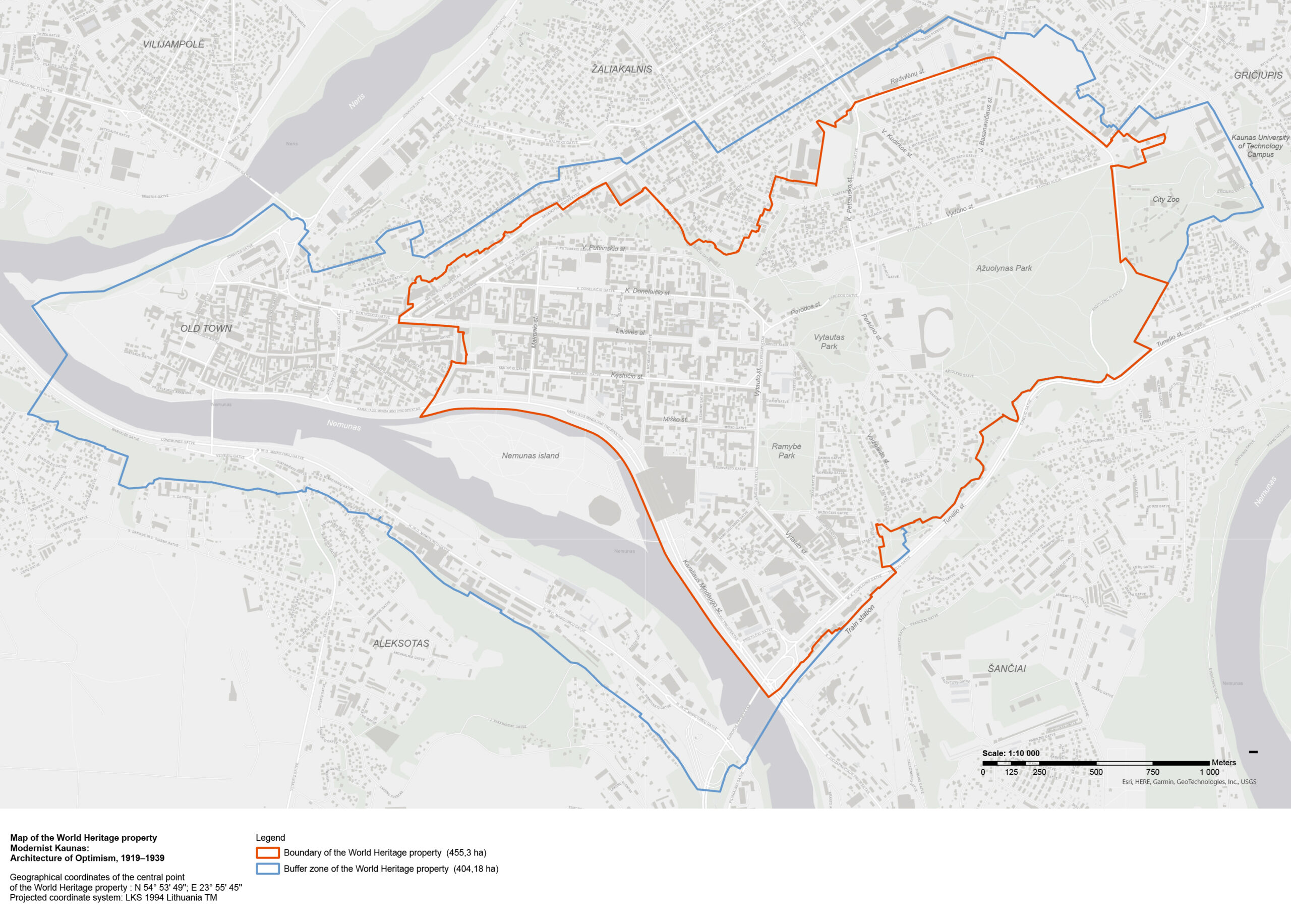
It was also decided to slightly extend the buffer zone of the UNESCO property, with the corresponding boundary modification planned for submission to the World Heritage Centre for approval. At the same time, a comprehensive inventory of interwar buildings is being prepared and will be integrated into a geographic information system (GIS) database. Over the past three years, 43 new modernist heritage properties have been added to the Lithuanian Register of Cultural Property. These measures will support consistent monitoring of building conditions, maintenance planning and more effective management and protection of the city’s heritage.
The city is finalising the management and action plans for the UNESCO World Heritage property, which are expected to be completed this year. Protection plans for Naujamiestis, Žaliakalnis I and Žaliakalnis II are also being prepared and will later be combined into a single integrated protection and management plan.
Another important step has been the improvement of the legal protection framework. Following amendments to the Law on the Protection of Immovable Cultural Heritage in 2025, Heritage Impact Assessment (HIA) was formally introduced in Lithuania. It is used to determine whether large-scale construction projects, development projects or other planned activities could negatively affect the Outstanding Universal Value or physical condition of protected immovable cultural heritage properties.
In 2023, Kaunas City Municipality prepared and approved recommendations for the installation of roof windows, attic conversions and additional storeys in historic buildings. The document sets out the main principles for preserving the integrity and heritage features of buildings during renovation or reconstruction. The recommendations serve as practical guidance for architects, developers and owners of heritage properties.
To encourage residents to maintain and renovate their properties, the Heritage Management Programme has become more flexible. Funding is now available for conservation and renovation work on buildings located within the UNESCO property and its buffer zone, and applications from Kaunas residents are accepted throughout the year.
“Kaunas has fewer and fewer neglected façades and abandoned public spaces. These are not just plans on paper – we have hundreds of examples showing how the renovation of a single building can transform its entire surroundings. The city is taking care of what matters to all residents, while also helping residents renovate their own properties through municipal funding. The more we improve today, the more beautiful Kaunas will be for future generations,” said Mayor Visvaldas Matijošaitis.
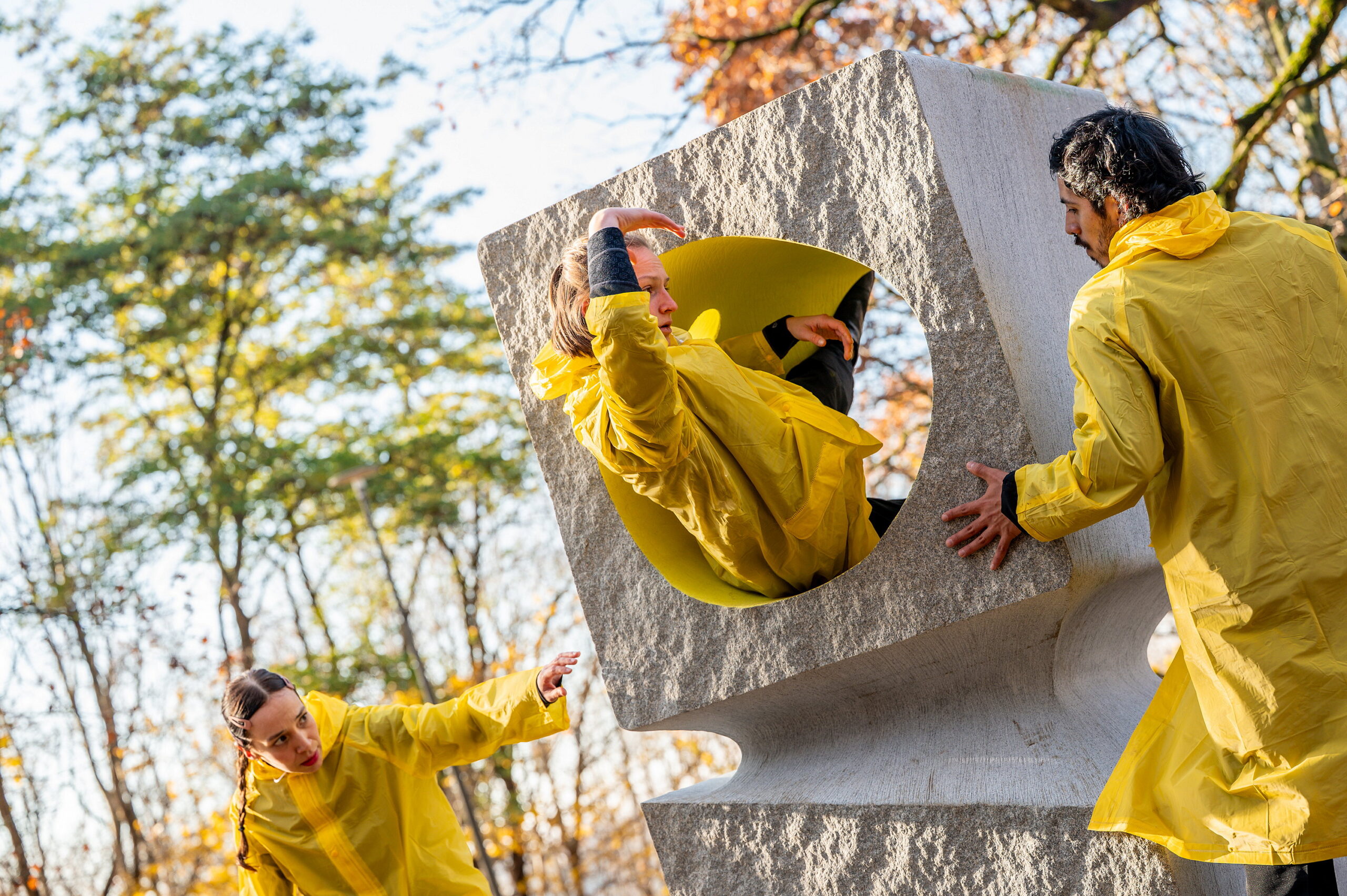
Considerable attention has also been given to public engagement and raising awareness of Modernist Kaunas. Since 2024, educational, cultural and community projects have been implemented through the Initiatives for Kaunas programme, including guided tours, creative workshops and publications. After a long break, the International Sculpture Symposium also returned to the city, this time with a special focus on Kaunas modernism. Since UNESCO heritage promotion became one of the programme’s priorities, 465 events have been organised, with more than EUR 680,000 allocated.
The local community also contributed to the preparation of the revised Management Plan. Residents, heritage specialists, architects and representatives of the business and cultural communities took part in public consultations.
“It is encouraging to see Kaunas making consistent progress towards the conservation objectives of the World Heritage property. During the session, the World Heritage Committee gave a positive assessment of Kaunas’ progress and adopted the decision without debate,” said Renata Vaičekonytė-Kepežinskienė, Head of Heritage Programmes at the Secretariat of the Lithuanian National Commission for UNESCO.
In their assessment, the World Heritage Centre, ICOMOS and ICCROM welcomed Lithuania’s progress and efforts to implement the recommendations issued by the World Heritage Committee in 2023. At the same time, they emphasised that the consistent implementation of the measures already launched, together with continued cooperation with UNESCO institutions, will remain essential to ensuring the long-term conservation of this exceptional World Heritage property. Kaunas is expected to submit its next report to the World Heritage Centre in December 2027.
More information about Kaunas modernism, the UNESCO World Heritage designation and the European Heritage Label is available at modernist.kaunas.lt.
Information provided by the Public Relations Division


Contacts
Kaunas City Municipal administration,
Municipal budgetary institution,
Laisvės al. 96, LT-44251 Kaunas
Data is kept and stored at Registry of Legal Entities
Code 188764867
VAT payer‘s code LT 887648610
2017 m. Kaunas City Municipal. It is forbidden to copy and distribute the information available at www.en.kaunas.lt without permission of the authors.